Frequently Asked Questions
How can I maintain my plumbing system?
Check for leaks, clean drains regularly, and flush your water heater once a year. Schedule annual inspections to keep pipes, valves, and fixtures in good shape.
What are some common plumbing issues homeowners face?
Leaky faucets, clogged drains, running toilets, and low water pressure. Older homes often face corrosion and aging pipe problems too.
What tips can help prevent plumbing emergencies?
Don’t ignore small leaks, insulate pipes in winter, and avoid flushing wipes or pouring grease down drains. Regular maintenance prevents most emergencies.
How often should I check my plumbing for leaks?
Do a quick check every few months and a full inspection once a year. Look under sinks, around toilets, and near your water heater.
What are the best practices for home maintenance related to plumbing?
Keep water pressure balanced, drain outdoor lines before freezing weather, and replace worn washers and hoses as needed.
How can I prevent plumbing leaks?
Monitor water pressure, tighten loose fittings, and replace old supply lines. Repipe aging Poly-B or galvanized pipes before they fail.
What signs indicate plumbing issues?
Rising water bills, damp walls, gurgling drains, or discolored water. These usually mean leaks or blocked lines.
When should I call a plumber?
If water is backing up, pressure drops suddenly, or a leak won’t stop. Don’t wait, small issues often turn into bigger repairs.
How to unclog a stubborn drain?
Use a plunger or a hand auger. Avoid chemical cleaners, they damage pipes and rarely fix the problem long-term.
What are the benefits of regular plumbing maintenance?
Fewer leaks, better water quality, lower bills, and a longer lifespan for pipes and fixtures.
How can I improve my homes water pressure?
Clean aerators, check for hidden leaks, and replace corroded lines. A pressure regulator adjustment can also help.
What tools are essential for plumbing repairs?
A plunger, pipe wrench, Teflon tape, and a drain snake. Keep a flashlight and bucket handy for quick fixes.
How to identify hidden plumbing leaks?
Watch your water meter, listen for running water sounds, or check for soft spots on walls or ceilings.
What should I do during a plumbing emergency?
Turn off your main water valve, open nearby taps to release pressure, and call a licensed plumber immediately.
How often should I flush my water heater?
Once a year to remove sediment buildup and improve efficiency.
What are common causes of pipe corrosion?
High water acidity, old galvanized pipes, and chemical buildup. Upgrading to copper or PEX solves most issues.
How can I maintain my sump pump?
Test it every few months, clean debris from the pit, and replace the battery backup every 2–3 years.
What plumbing upgrades increase home value?
Tankless water heaters, modern fixtures, and whole-home repiping. Buyers appreciate reliable, efficient systems.
How to properly winterize plumbing systems?
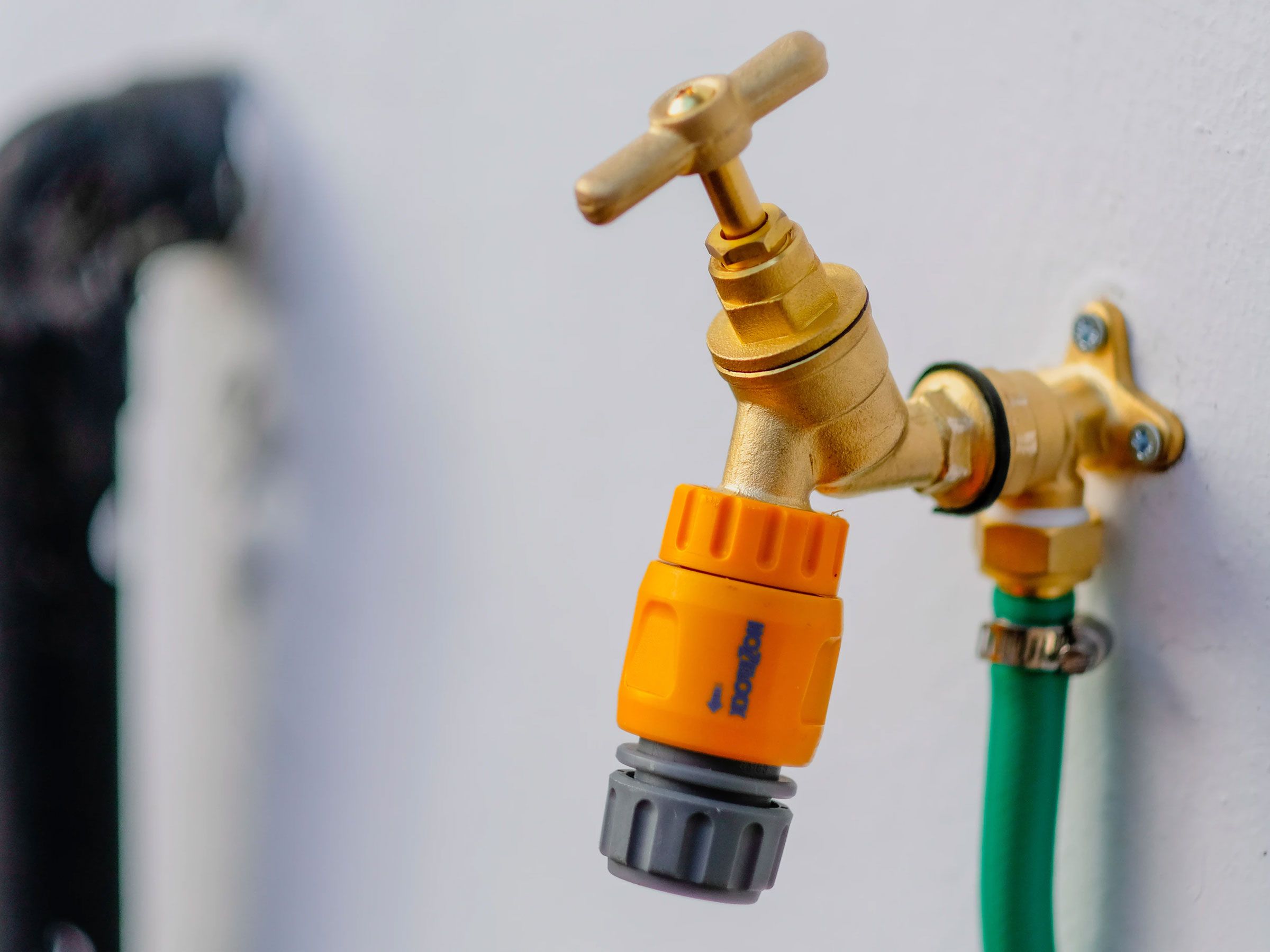
Drain outdoor faucets, insulate exposed pipes, and shut off outdoor valves.
What are the best materials for plumbing pipes?
PEX for flexibility and copper for longevity. Both are durable and code-approved in BC.
How can I reduce my water bill?
Fix leaks fast, install low-flow fixtures, and upgrade to an efficient water heater.
What is the average lifespan of plumbing fixtures?
Faucets last 10–20 years, water heaters 10–15, and pipes up to 50 years depending on material.
How to choose a reliable plumbing service?
Hire a licensed, insured plumber with strong reviews and transparent pricing.
What are the risks of DIY plumbing repairs?
Leaks, water damage, and code violations. Small mistakes can become expensive quickly.
How can I maintain my toilets efficiency?
Inspect the flapper and fill valve yearly, clean jets, and use only approved cleaners to prevent buildup.
What plumbing inspections should I conduct annually?
Check for leaks, inspect water heaters, test pressure, and flush drains.
How to prevent frozen pipes in winter?
Insulate exposed pipes, seal wall gaps, and keep heat on in cold areas.
What are the signs of a sewer backup?
Slow drains, gurgling sounds, or sewage odors. Call a plumber immediately if these appear.
How can I improve my homes drainage system?
Clean gutters, install sump pumps, and ensure outdoor grading directs water away from your foundation.
What plumbing codes should homeowners know?
BC Building Code rules for venting, backflow prevention, and drain sizing. Licensed plumbers like Royal T Plumbing handle all code compliance for you.